
Preventing Oak Wilt On Your Property
Practical steps property owners can take to reduce the risk of new oak wilt infections.
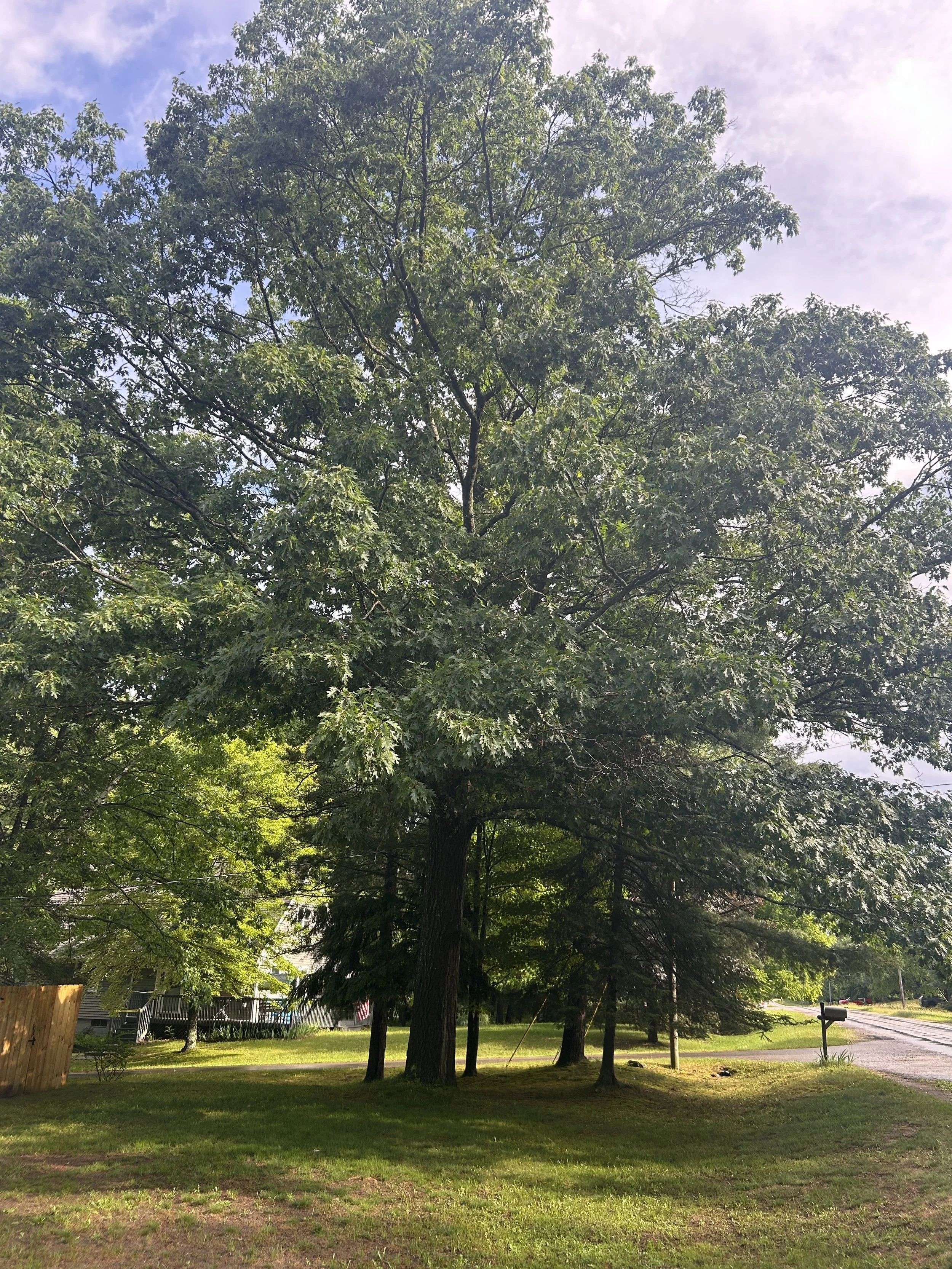
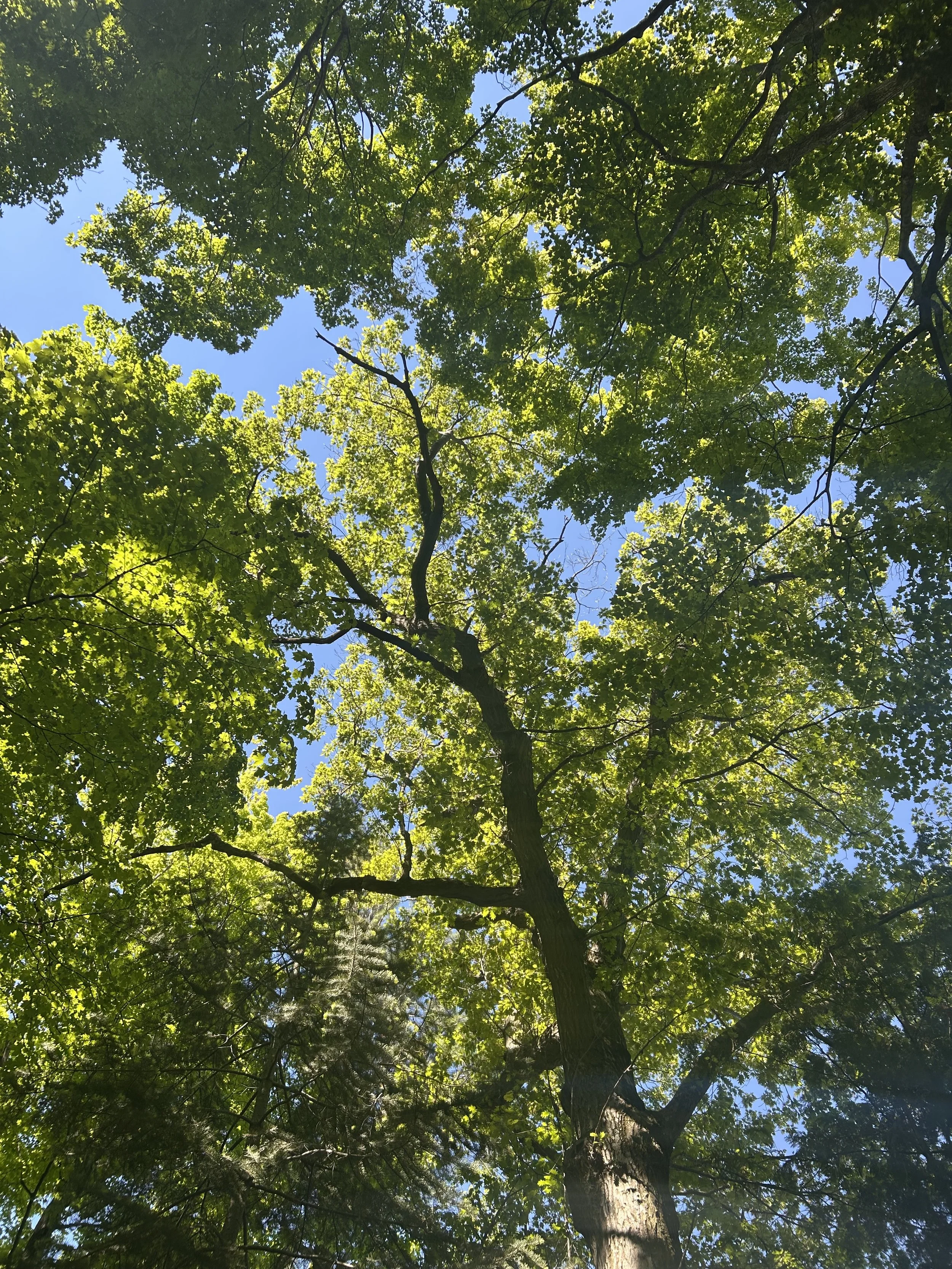
Why Prevention Matters
Oak wilt can have serious and lasting effects on individual trees, residential properties, and surrounding oak populations. Once the disease becomes established, it may spread underground through connected root systems, potentially affecting additional oak trees over time.
Preventing a new infection is generally less disruptive and less costly than managing an established oak wilt infection center. Although no property can be made completely risk-free, thoughtful tree care practices can greatly reduce avoidable opportunities for the disease to become established.
One of the most important preventive measures is simple:
Avoid pruning or intentionally wounding oak trees from May through November.
Planning tree work carefully, protecting oak trees during construction and landscape activities, and responding appropriately to accidental wounds can all help reduce the risk of oak wilt.
Understand How New Infections Begin
Oak wilt can spread in two primary ways:
Above ground, when sap-feeding beetles carry fungal spores from certain infected oak trees to fresh wounds on healthy oak trees
Below ground, when the fungus moves between nearby oak trees through naturally connected root systems
Fresh wounds may release odors that attract sap-feeding beetles. If a beetle carrying oak wilt spores visits a fresh wound, the fungus may be introduced into the tree.
Pruning cuts are one potential source of wounds, but they are not the only concern. Storm damage, construction activity, equipment impacts, utility work, climbing spikes, and other injuries may also expose fresh tissue.
Reducing unnecessary wounds during the growing season is therefore an important part of oak wilt prevention.
Avoid Pruning Oaks from May Through November
At UFT Tree Care Specialists, we recommend avoiding routine oak pruning from May through November.
Whenever possible, schedule oak pruning during the dormant season. Winter pruning reduces the likelihood that fresh wounds will be exposed during periods when the insects associated with overland oak wilt transmission are active.
Dormant-season pruning also allows tree-care work to be planned rather than performed during a higher-risk period.
Before hiring someone to prune an oak tree, ask when the work will be completed and whether the contractor understands oak wilt prevention practices.
UFT INSIGHT
The question is not only, “Does this oak need pruning?” It is also, “When can the work be completed with the least avoidable risk to the tree?”
Plan Routine Tree Work Before the Growing Season
Many pruning projects can be anticipated and scheduled during winter.
Consider evaluating oak trees during the dormant season if they have:
Dead, broken, or damaged branches
Branches growing toward a home, roof, driveway, or utility
Poor branch structure
Closely spaced or competing branches
Low branches interfering with normal property use
Previous storm damage
Branches that may become a concern before the following winter
Planning ahead reduces the likelihood that routine pruning will become necessary during the growing season.
Not every dead branch requires immediate removal. However, branches that present a potential safety concern should be evaluated based on their size, condition, location, and the likelihood of failure.
Prevent Accidental Damage to Oak Trees
Not all oak wounds are caused by pruning. Many injuries occur unintentionally during routine property maintenance, construction, or landscape work.
Potential sources of damage include:
Lawn mowers striking the trunk or root flare
String trimmers repeatedly damaging bark
Vehicles or equipment contacting the trunk
Excavation near the tree
Utility trenching
Grading or changes in soil depth
Construction equipment operating within the root zone
Improper use of climbing spikes
Landscape equipment damaging exposed roots
Storm-damaged branches tearing from the tree
Protecting the trunk, root flare, and surrounding root zone can help prevent unnecessary injuries.
When construction or major landscape work is planned near valuable oak trees, tree-protection measures should be established before equipment arrives and soil disturbance begins.
Protect More Than the Trunk
A tree’s root system extends well beyond the base of the trunk. Many actively absorbing roots are located relatively close to the soil surface and may extend beyond the edge of the canopy.
Activities that occur away from the trunk may still affect the tree.
Potential root-zone concerns include:
Excavation
Utility installation
New driveways or sidewalks
Changes in soil grade
Repeated equipment traffic
Soil compaction
Drainage changes
Soil piled beneath the canopy
Removal of large nearby trees
Root cutting
Root damage does not necessarily create the same type of infection risk as a fresh aboveground wound. However, root injury and soil disturbance may reduce tree vigor, affect stability, and create additional stress.
Protecting the broader growing environment is an important part of long-term oak health.
What to Do if an Oak Is Accidentally Wounded
Accidents happen. Storms may break branches, vehicles may damage bark, and equipment may unintentionally injure a tree.
If an oak tree is wounded during the growing season:
Do not make additional unnecessary cuts.
Address the wound promptly.
Avoid enlarging or reshaping the wound unless necessary for safety.
Contact a qualified arborist when the injury is extensive or affects a major branch, trunk, or root.
Unlike routine pruning wounds on most tree species, fresh oak wounds created during periods of oak wilt risk may warrant immediate protection. Current Michigan guidance recommends promptly covering accidental wounds during the high-risk period with tree-wound paint or latex-based paint to reduce exposure to beetle activity.
The appropriate response may depend on the time of year, severity of the damage, location of the wound, and condition of the tree.
Use Caution After Storm Damage
Storms do not follow ideal pruning schedules. High winds, heavy snow, ice, and falling trees may break oak branches during the growing season.
After storm damage:
Keep people and property away from hanging or unstable branches
Avoid removing more live tissue than necessary
Do not attempt work that requires climbing or operating a chainsaw beyond your experience
Have large broken branches or significant trunk damage professionally evaluated
Address fresh wounds promptly during periods of oak wilt risk
Consider both tree health and immediate safety
The need to reduce oak wilt risk should never override an immediate safety concern. Hazardous conditions may require work during a normally avoided period.
Avoid Moving Potentially Infected Oak Firewood
Oak firewood from a tree affected by oak wilt may contribute to the movement of the disease if it is transported to a new location while the fungus remains capable of producing spores.
Do not move oak firewood from a suspected oak wilt site without first understanding how the wood should be managed.
If oak wilt is known or suspected:
Keep potentially infected wood on the property until appropriate management is determined
Do not transport fresh oak wood to another property
Do not distribute the wood as firewood
Avoid moving logs or branches into areas with healthy oak trees
Seek guidance before cutting or removing suspected infected trees
Michigan encourages residents to use local firewood because moving firewood can transport oak wilt and other harmful forest pests and diseases.
Wood management recommendations may vary depending on when the tree died, when it was cut, whether bark remains attached, and how the material will be stored or processed.
Do Not Remove Suspected Oak Wilt Trees Without a Plan
Removing a visibly declining or dead oak does not necessarily stop an established oak wilt infection.
If the disease has already entered connected root systems, removing the symptomatic tree alone may not prevent underground spread to nearby oaks.
Tree removal performed without understanding the extent of the infection may also complicate future management.
Before removing a tree suspected of having oak wilt, consider:
Whether the symptoms are consistent with oak wilt
Whether nearby oak trees may share connected root systems
Whether additional diagnostic work is needed
Whether underground management should occur before tree removal
How wood and debris will be handled
Whether other oak trees should be monitored
A coordinated management plan is often more effective than responding to one tree at a time.
Monitor Oak Trees During the Growing Season
Regular observation may help identify unusual changes earlier.
Watch for:
Wilting that begins in the upper canopy
Rapid browning or bronzing of leaves
Leaves dropping during summer
Green and partially discolored leaves falling at the same time
Rapid decline in a previously healthy oak
Multiple nearby oak trees declining over time
New symptoms appearing in oaks near a known oak wilt location
Oak wilt symptoms may resemble drought stress, construction injury, root damage, other diseases, or environmental problems. Symptoms alone should not be treated as a confirmed diagnosis.
If a red oak declines rapidly during the growing season, especially when nearby oaks have shown similar symptoms, professional evaluation may be appropriate.
Know What Is Growing Nearby
Oak wilt does not follow property lines.
Nearby oak trees may be connected through their root systems, particularly when trees are growing close together. An oak wilt concern on one property may therefore have implications for neighboring trees.
Property owners can help by:
Becoming familiar with oak trees on and near the property
Watching for rapid decline in nearby oaks
Communicating with neighbors when oak wilt is suspected
Avoiding the movement of potentially infected oak wood
Coordinating evaluation when multiple properties may be affected
Early communication may allow neighboring property owners to make more informed decisions before additional trees are affected.
What Property Owners Can Do
Reducing oak wilt risk does not require complicated maintenance. A few consistent practices can make a meaningful difference.
Avoid pruning or intentionally wounding oak trees from May through November
Schedule routine oak pruning during the dormant season
Protect trunks and exposed roots from mower and string-trimmer damage
Establish tree-protection areas before construction begins
Avoid unnecessary excavation and soil compaction within the root zone
Respond promptly to accidental wounds during periods of oak wilt risk
Use caution when handling oak wood from declining or dead trees
Do not move potentially infected oak firewood
Monitor oak trees for unusual summer wilting or premature leaf drop
Seek professional evaluation when oak wilt is suspected
When Professional Evaluation Is Useful
Professional evaluation may be appropriate when:
An oak begins wilting or losing leaves during summer
A previously healthy red oak declines rapidly
Multiple nearby oak trees are declining
Oak wilt has been identified on or near the property
A large oak is damaged during the growing season
Construction or excavation is planned near valuable oak trees
A suspected oak wilt tree is being considered for removal
Oak firewood from a potentially infected tree must be managed
Preventive pruning or long-term oak management is being planned
An arborist familiar with oak wilt can evaluate the tree, surrounding oaks, site conditions, symptom pattern, and potential pathways of spread.
When oak wilt is suspected, early evaluation may provide more management options than waiting until additional trees begin showing symptoms.
A Long-Term Approach to Protecting Oak Trees
Oak trees are long-lived and valuable parts of Northern Michigan’s landscapes and forests. Protecting them requires more than responding after symptoms appear
Thoughtful pruning schedules, careful construction practices, protection of the root zone, responsible firewood handling, and regular observation can all reduce avoidable risks.
No preventive practice can guarantee that an oak tree will never be affected by disease. However, reducing unnecessary wounds and protecting the tree’s growing environment can support long-term health while limiting opportunities for new oak wilt infections.
Oak wilt prevention begins with informed decisions—often before a saw, mower, excavator, or other piece of equipment reaches the tree.
Sources & Further Reading
This article reflects established arboricultural principles, current Michigan oak wilt guidance, and professional field experience. For additional information, explore educational resources from:
Michigan Department of Natural Resources — Oak Wilt Information
Michigan State University Extension — Oak Wilt Education
Michigan Oak Wilt Coalition — Property Owner Resources
International Society of Arboriculture — Tree Owner Resources
HEALTHY SOIL. | STRONGER TREES. | LASTING LANDSCAPES.
Have questions about protecting the oak trees on your property? UFT Tree Care Specialists provides science-based oak wilt education, diagnostics, consulting, and management planning throughout Northern Michigan.
ufttree.care • ben@ufttree.care • 231-409-0442
