
Healthy Trees Begin Below Ground
How soil health influences root development, tree resilience, and long-term vitality
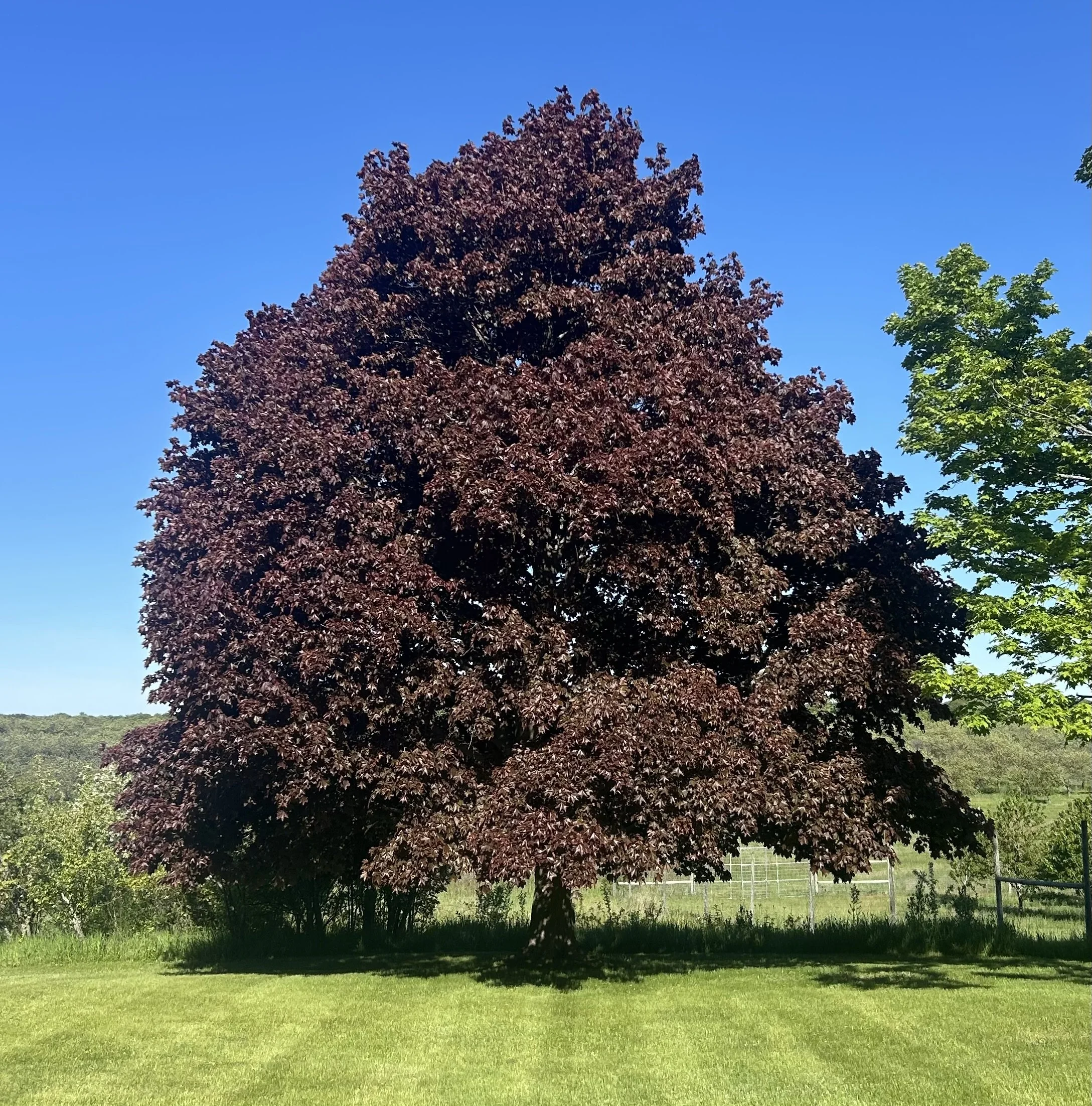
Why This Matters
When a tree begins to lose vigor, many people look first at the leaves, branches, or trunk. Those visible symptoms matter, but the underlying cause may begin below ground. A tree depends on healthy soil for water, oxygen, nutrients, beneficial biological activity, and the space its roots need to grow.
In residential and urban landscapes, soil conditions are often very different from those found in an undisturbed forest. Construction, grading, lawn maintenance, vehicle and foot traffic, and the removal of natural organic matter can gradually change the soil environment. Over time, compaction, limited oxygen, poor water movement, and reduced nutrient availability may make it more difficult for roots to function well.
Supporting the soil is therefore an important part of supporting the entire tree.
The Root System Is the Foundation
A tree’s root system does far more than anchor the tree. Fine absorbing roots take in water and essential nutrients, while the surrounding soil provides air space, moisture storage, and habitat for organisms that contribute to nutrient cycling and soil function.
Most of a landscape tree’s actively absorbing roots are relatively close to the soil surface, and the root system can extend well beyond the edge of the canopy. This means the condition of the broader root zone—not only the soil immediately beside the trunk—can influence tree health.
Healthy root growth depends on a balance of pore space, oxygen, moisture, organic matter, and available nutrients. When that balance is disrupted, the effects may eventually become visible above ground.
What Compacted or Disturbed Soil Can Do
Compaction presses soil particles closer together and reduces the pore spaces that normally hold air and water. Water may run off rather than soak in, oxygen movement can decline, and roots may have difficulty expanding through the soil.
Trees growing in altered soils may continue to survive for years, but chronic root-zone stress can reduce vigor and resilience. A stressed tree may have less capacity to respond to drought, heat, insect feeding, disease pressure, construction injury, or other environmental challenges.
What Property Owners Can Look For
No single symptom proves that a soil problem is present, but several observations may justify a closer evaluation:
Thin foliage, reduced canopy density, or smaller-than-expected leaves.
Pale or off-color foliage when compared with similar trees nearby.
Reduced annual twig growth or a gradual decline in vigor.
Water that ponds, runs off, or has difficulty soaking into the soil.
Hard, bare, or heavily trafficked soil within the root zone.
Recent construction, grading, trenching, soil addition, or repeated equipment traffic near the tree.
Premature fall color, early leaf drop, or repeated stress during dry weather.
These signs can have many possible causes. Soil conditions should be considered as part of a complete evaluation rather than assumed to be the only explanation.
UFT INSIGHT
Visible symptoms in a tree’s canopy may begin with conditions below ground. Effective care starts with understanding the site, the soil, and the tree—not simply applying fertilizer.
Improving the Root Environment
Soil-focused tree care is not a one-size-fits-all fertilizer program. The appropriate approach depends on the tree species, site history, existing soil conditions, observed symptoms, and the goals for the landscape.
Depending on the site, recommendations may include protecting the root zone from traffic, correcting mulch depth, improving irrigation practices, adding appropriate organic matter, relieving compaction, conducting soil testing, or using targeted soil amendments. In some situations, a professional deep root feeding treatment may be useful as part of a broader plant health care program.
What Is Deep Root Feeding?
Deep root feeding is a professional process that places a specialized liquid treatment several inches below the soil surface within the active root zone. The goal is to distribute nutrients and soil-supporting amendments through the area where many absorbing roots are located while also creating small injection channels in the soil.
UFT’s soil-focused approach may include nutrients along with amendments such as biochar and humates. The purpose is not simply to encourage rapid top growth. It is to support a healthier root environment and improve the tree’s access to the resources it needs over time.
How Biochar and Humates Support Soil
Biochar is a stable, carbon-rich material with a porous structure. Those small pore spaces can help retain water and nutrients and provide habitat for beneficial soil microorganisms. Because biochar is persistent, it can contribute to longer-term improvements in the soil environment.
Humates are derived from naturally occurring organic matter. They can support nutrient availability, moisture and nutrient retention, beneficial microbial activity, and healthy root development.
Used appropriately, these amendments can help create a more supportive underground environment. Their value is greatest when they are selected for the site and combined with sound cultural practices.
Potential Benefits of a Soil-Focused Program
When appropriate for the site and tree, improving soil conditions may help:
Improve soil structure, water infiltration, and moisture retention.
Support beneficial soil microorganisms and nutrient cycling.
Improve nutrient availability within the active root zone.
Encourage healthy root development and overall tree vigor.
Support healthier foliage, seasonal growth, and canopy density.
Increase resilience to drought, heat, compaction, and other environmental stresses.
These are potential benefits, not guarantees. Tree response depends on species, age, existing health, site limitations, weather, and the severity of any underlying problems.
When Professional Evaluation Is Useful
A professional evaluation is especially useful when a valuable tree is showing unexplained decline, the site has a history of construction or soil disturbance, multiple symptoms are present, or a property owner is considering treatment without knowing the underlying cause.
An arborist can evaluate the tree together with its growing environment and determine whether soil improvement, additional diagnostic work, monitoring, or another management strategy is appropriate. Soil testing may also be recommended when nutrient availability, pH, or other soil characteristics need to be better understood.
A Long-Term Approach to Tree Health
Trees are long-lived organisms, and meaningful improvements do not always appear immediately. Soil health should be viewed as part of long-term tree management rather than as a quick fix.
No treatment can eliminate every challenge a tree may face. However, protecting and improving the root environment can strengthen the foundation on which tree health depends. Thoughtful soil care, appropriate monitoring, and proactive management can help trees remain healthier and more resilient for years to come.
HEALTHY SOIL. | STRONGER TREES. | LASTING LANDSCAPES.
Have questions about the soil conditions around your trees? UFT Tree Care Specialists provides science-based tree diagnostics, consulting, and plant health care throughout Northern Michigan.
ufttree.care • ben@ufttree.care • 231-409-0442
